Radiographers Can Now Administer Adrenaline: What You Need to Know
From March 2026, anaphylaxis training becomes mandatory for all MRPs. Here's the practical breakdown of what this means for your practice and registration.
The GdayRadiographer Team
17 December 2025
3 min read
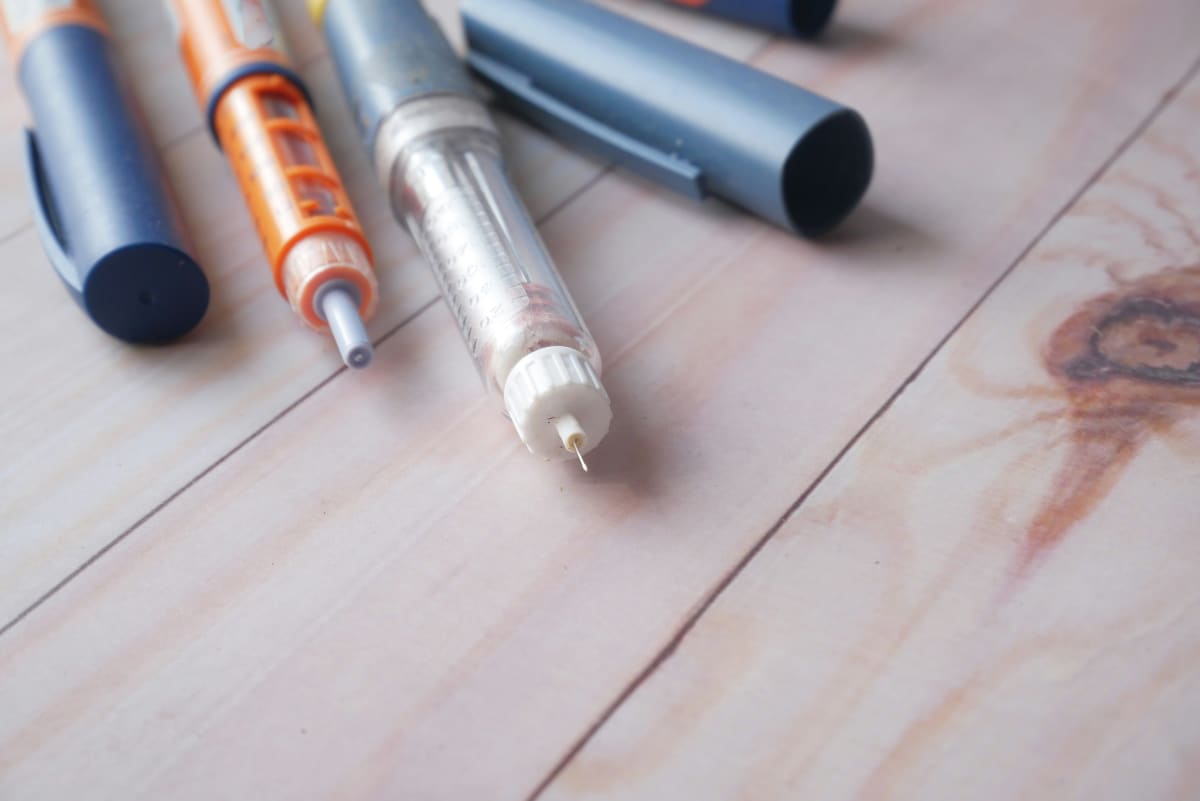
Radiographers Can Now Administer Adrenaline: What You Need to Know
If you've been following the Professional Capabilities updates, you'll know there's a significant change coming on March 30, 2026. Let me break down what it actually means for you.
The Headlines
From March 30, 2026:
- Anaphylaxis training becomes mandatory for all Medical Radiation Practitioners
- MRPs are now permitted to administer adrenaline during medical emergencies
- This aligns with updated Professional Capabilities requirements
Why This Matters
Think about your typical day. You're injecting contrast media, sometimes multiple times a shift. Allergic reactions happen – and occasionally, they're severe.
Previously, the protocols around who could administer adrenaline in an imaging department were... complicated. Different states had different rules. The practical reality was often "wait for the crash team."
Now there's clarity. If you're a trained MRP and a patient goes into anaphylaxis, you can act.
State-by-State Breakdown
The good news is most states already have regulatory frameworks that support this:
Western Australia – Most permissive. No regulatory barrier to MRPs administering adrenaline without prior medical direction.
Victoria – Supported under existing pharmaceutical legislation. No legal obstacles.
South Australia – No restrictions under the Controlled Substances Act.
Queensland – Adrenaline is Schedule 3, which approved health practitioners (including MRPs) can administer.
Northern Territory – MRPs can supply or administer Schedule 3 medicines within their endorsed scope.
Tasmania – The Poisons Act 1971 and Poisons Regulations 2018 now allow any person to administer adrenaline for the treatment of anaphylaxis (per ASMIRT).
New South Wales – There is no legal barrier under the NSW Poisons and Therapeutic Goods Act 1966 for appropriately trained MRPs initiating and administering adrenaline in emergencies.
Australian Capital Territory – ACT regulations enable all health care practitioners to administer adrenaline in emergencies, including subsequent to MRPs injecting contrast media.
What Training Do You Need?
The Professional Capabilities require you to be able to:
- Recognise anaphylaxis
- Manage the emergency response
- Administer adrenaline appropriately
ASMIRT offers Anaphylaxis Recognition and Management workshops through their CPD program. These are specifically designed for our profession and should tick all the boxes.
You'll also need to maintain current Basic Life Support (BLS) certification, including CPR and AED use.
For International Candidates
If you're preparing for Australian registration, this is now part of what you need to know. The updated Professional Capabilities that come into effect March 2026 include these requirements.
Don't panic – our prep courses cover emergency response protocols. But it's worth flagging that this is an area the examiners can now legitimately test you on.
The Bigger Picture
This change has been years in the making. ASMIRT has been advocating with state health departments to recognise that MRPs are perfectly capable of handling this aspect of patient care.
It's a step toward greater professional autonomy – and greater responsibility. Make sure you're prepared for both.
Our ANLE prep course includes coverage of emergency response protocols aligned with the 2026 Professional Capabilities. Check out the curriculum.